
This blog explores the key findings from the Citi GPS report “Human Skills to Thrive in the Age of AI: What Machines Can't Master”, published in May 2024. It highlights the essential human skills that will remain irreplaceable as AI becomes a bigger part of our lives. If you want to read the full report, you can get it at the end of this post.
Imagine a World with super-smart AI
AI that can solve complex problems, craft compelling stories, generate breathtaking artwork and much more.
- For instance, imagine a company needing a detailed report on market trends. AI can analyze thousands of data points and produce insights in minutes, something that would take a human team days to complete.
- In medicine, AI can quickly review patient histories and scans to identify patterns that might indicate early signs of illness, helping doctors make faster and more accurate diagnoses.
- In creative industries, AI can help design clothing patterns by identifying trends and blending styles, allowing designers to focus on the artistic vision.
- In education, AI tutors can adapt to each student's learning style, providing personalized lessons and instant feedback while teachers focus on emotional support and complex problem-solving guidance.
- In customer service, AI chatbots can handle routine inquiries 24/7, allowing human agents to focus on complex cases that require empathy and nuanced understanding.
- In agriculture, AI can analyze soil conditions, weather patterns, and crop health in real-time, helping farmers make better decisions about planting and harvesting while they focus on sustainable farming practices.
- In legal work, AI can review thousands of documents and contracts for specific clauses or inconsistencies, freeing up lawyers to focus on strategy and client relationships.
It's like having a super-smart assistant that takes care of the heavy lifting, freeing up people to focus on creativity, strategy, and human connection – things machines can't do as well.
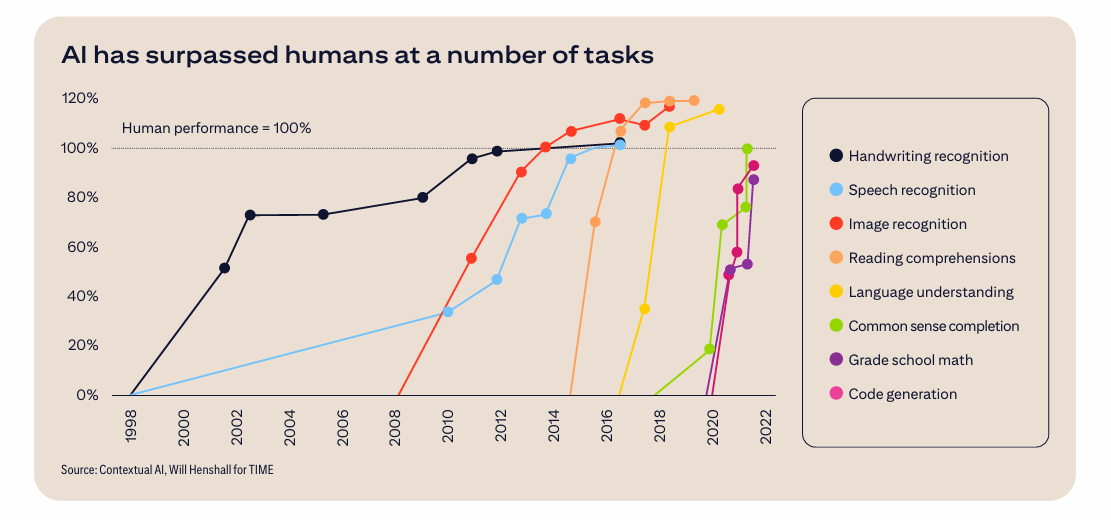
AI has surpassed humans at a numbers of tasks
Competitive Advantage – Computer vs Humans
These are examples of areas (attributes / skills / functions) in which computers (including AI) are already, or will eventually, exceed humans.
But even in this futuristic world, there are things AI can’t do as well as humans. For example:
They can’t truly understand how you feel.
They can’t comfort you when you’re sad.
They can’t share in your joy when you’re excited.
AI might do a lot, but they’ll never replace the warmth and connection we share as humans.
“Hand,” “Head,” and “Heart” Skills
The report categorizes human skills into three main types:

Heart
Heart Skills: Emotional and social skills, like empathy, communication, and teamwork.
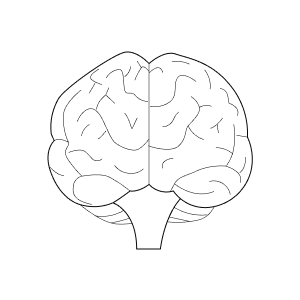
Head
Head Skills: Mental skills, such as problem-solving, critical thinking, and analyzing data.
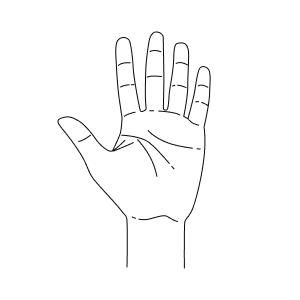
Hand
Hand Skills: Physical skills, like fixing a car, cutting hair, or making a delicious meal.
“Heart” Skills: What Makes Us Human:
These special abilities that AI struggle with are called “Heart” skills. They include things like:
-
Communication: This means being able to talk to others, understand what they’re saying, and express yourself clearly. It’s like speaking a secret language that only humans can master.
- Empathy: This is the ability to understand and care about someone else’s feelings. Think of it as having a superpower that lets you see and feel what’s in someone’s heart.
- Collaboration: Working together to achieve a shared goal. Imagine building a giant Lego castle with your friends everyone has a role to play, and the result is something amazing.
- Leadership: Inspiring and guiding others to succeed. It’s like being the captain of a spaceship, steering your crew toward an exciting mission.
While AI is great at “Hand” and “Head” skills, it struggles with “Heart” skills. This means that as AI takes over routine tasks, people with strong “Heart” skills will be in high demand.
How AI Will Change the Way We Work
AI is already changing how we work, much like machines transformed industries in the past. Just as assembly lines revolutionized car production, AI tools are helping us complete tasks faster and more efficiently.
But here’s the catch: working with AI isn’t about competing with it it’s about adapting and learning to use it effectively.
Think of it like learning to ride a bike. At first, it’s tricky, and you might fall. But with practice, you get better, and soon you’re zipping around with ease. Learning to work with AI will be similar it’s a new skill set that will take time, but it’s worth the effort.
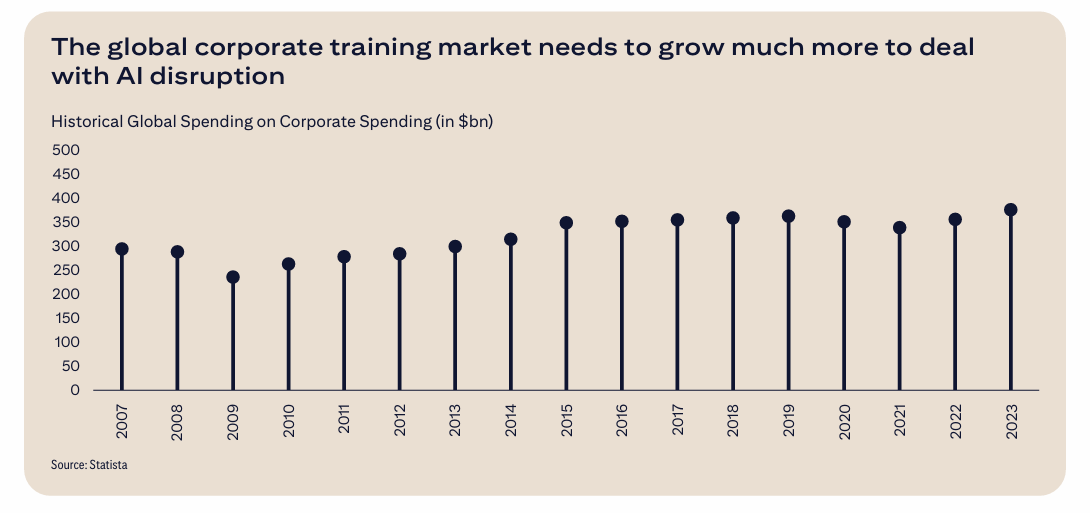
The global corporate training market needs to grow much more to deal with AI disruption
Why “Heart” Skills Are the Future
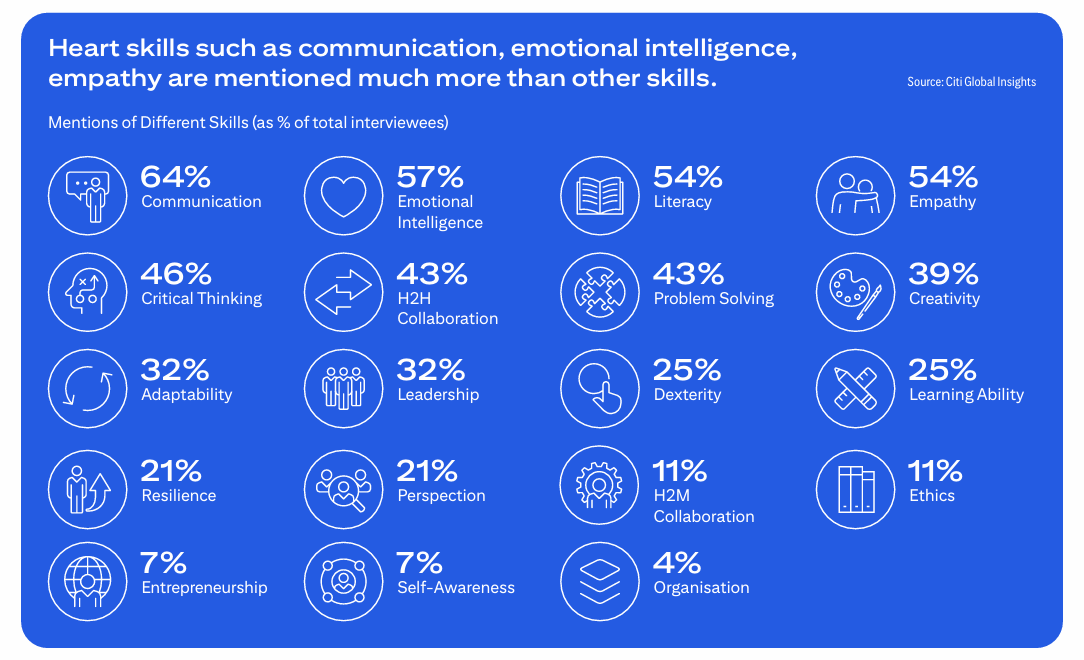
What Machines Can’t Master
How to Prepare for the Future
To thrive in the age of AI, it’s important to focus on what makes us human. Here’s how you can get ready for the future:
- Learn About AI: Understand what AI is, how it works, and how it’s being used in different jobs.
- Develop “Heart” Skills: Work on your communication, empathy, collaboration, and leadership abilities. These will set you apart from machines.
- Be Adaptable: The world of work is changing fast. Stay open to learning new things and trying new approaches.
- Embrace Lifelong Learning: Commit to continuously improving your skills, no matter where you are in your career.
Final Thoughts
This blog is based on insights from the Citi GPS report, “Human Skills to Thrive in the Age of AI”. While the findings are insightful, it’s important to stay updated as AI and the future of work continue to evolve.
By focusing on your “Heart” skills and embracing change, you can not only survive but thrive in the age of AI.
Read the full report
Want to dive deeper into the research? Drop your email below and I'll send the full report straight to your inbox.